Tom O'Brien CJDR - Greenwood

Blog / Car tips

3 Car Noises You Should Never Ignore

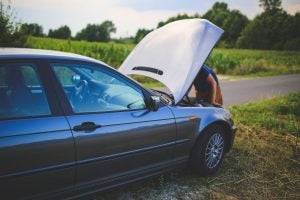
Person Trying to Fix Broken Car
Keeping your car running smoothly for a long time is usually not a matter of luck, but just proper maintenance. Indeed, just like their drivers, cars tend to require more attention to various symptoms once they get a bit older. These are some of the noises that may indicate that your vehicle needs a trip to the local shop.

Brake Noises

If you feel a clunk in the brake pedal as you are pressing it or hear any strange noise, you need to slow down and have your brake system checked as soon as possible. Many things may cause it, such as a loose wheel bearing, a seized brake caliper, or a malfunctioning steering component. No matter what the issue is, it needs to be taken care of right away because any fault with the car's braking or steering system is literally the last thing you want to happen while you're driving. Even if the car brakes like it's supposed to, you still need to have it checked right away. Not only will it ease your mind, but the sooner you have something fixed the bigger the odds of the problem being a minor one and therefore less expensive.

Engine Knocking Noises

Hearing a knocking noise coming from the engine while you're driving can mean many different things, from bad fuel or low oil pressure to more serious faults such as a problem with the rod connecting the pistons to the crankshaft. The engine has many components operating at a high rate in extreme temperatures, so even the slightest misalignment is likely to cause excess friction and weird noises. As with most car-related issues, the sooner you fix it the more likely it is that it will be quick and inexpensive. Alternatively, ignoring the issue and continuing to drive the car will probably result in even more damage being done to the engine and its adjacent components, which may be more expensive to repair than the cost of the entire car.

Knocking Noise When Going Over a Bump

Driving over a bump is never a pleasant experience, but if your suspensions make more noise than they used to it's recommended that you visit your mechanic right away. The knocking noise is usually an early warning sign telling you that there's an issue with your suspension system. While this can go on for months with no other side effect other than the noise, you are constantly in danger of the suspension failing entirely and you losing control of the vehicle. Also, as with everything, fixing it quickly is likely to be less expensive. Cars are usually pretty well-made nowadays, with steering, braking, and electronic assist functions that work so well that they give us the illusion of them being infallible. However, it's well worth remembering that any vehicle is a complex system and, as time passes, some components are likely to fail. Aside from keeping you, your passengers, and everyone else on the road safe, having your car checked right away in case of a strange noise will likely make it easier and cheaper to fix. Image via pexels.com

Posted in:

Related Posts

Person Holding Car Keys

Everything You Ever Wanted to Know About Car Insurance But Were Too Afraid to Ask

Auto insurance can be a difficult thing to wrap your head around. When you're talking to an insurance agent, you may feel overwhelmed or even a little embarrassed to ask questions in fear of being viewed as unintelligent. Asking questions is the best way to learn about anything, and drilling an insurance agent with questions concerning coverage, deductibles, and premiums will help you better understand auto insurance. Here are a few answers to more commonly asked car insurance questions. What Is the Cost of Car Insurance? There are no simple answers here, other than exploring the factors that most affect the price of auto insurance. Your sex, marital status, and age have an impact on the total cost. For example, after much data collection and studies, age has been determined to have a significant impact on car insurance premiums. This is due to the younger population having more accidents and speeding tickets overall than older drivers. more When Is Car Insurance Purchased? Since most states require auto insurance, you need to purchase it before driving. Driving without car insurance is generally illegal, and if you're in an accident, you may be held liable for bodily injury and property damage. Why Does My Vehicle Affect the Cost of My Car Insurance? Your car plays a part in how much your auto insurance premiums are, due to the history of other drivers who drove the same make and model of your vehicle. Your car's safety features can indirectly affect the cost of your car insurance by helping you avoid accidents. Does Car Insurance Cover Normal Wear and Tear? Auto insurance has nothing to do with the normal wear and tear of your vehicle. It does cover repair costs due to an accident, but it won't replace your tires once they have worn out. You'll need to keep the maintenance of your vehicle in your budget as a means of keeping your car in proper working order, which in turn helps keep you and others safe. Do I Need Gap Insurance? Gap insurance is excellent coverage, but you may not need it. If you own your car with no outstanding loans, you do not need gap insurance. If you have purchased a new vehicle and owe payments to a bank or federal credit union, gap insurance protects your investment. For example, if you buy a $45,000 car and its value drops to $35,000 in one year, but you still owe $40,000 to the bank, gap insurance covers the $5,000 difference if the car is totaled in an accident. These are only a few of the most commonly asked questions about car insurance. Auto Insurance not only protects your investment, but it also helps protect you if you happen to be in an accident, regardless of fault. Don't be afraid to ask about the aspects of car insurance you don't fully understand to ensure that you fully comprehend your coverage, what you're paying for, and how it protects you, your loved ones, other drivers, and property. Image via pexels.com

Street With Cars With Snow

How To De-Ice Your Car Windshield in the Winter

Winter is approaching in Illinois which means temperatures dropping, snowfall, and the dread of having to de-ice your car windshield in the morning. Learn everything you need to know about de-icing your car windshield to ensure a less stress-free morning commute! Prevent an Icy Windshield Ahead Of Time Prepping ahead of time can go a long way in order to keep your windshield free of ice. Regularly check your local weather, and if precipitation is ever in the forecast during cold weather, use a tarp or sheet to cover the windshield overnight. However, when inches of snow is expected, these covers may be difficult and unwieldy. Commercial sprays that prevent ice from attaching to the glass are available on the market, but they can become costly. A combination of three parts white vinegar to one part water can do the trick to prevent ice from sticking. But this solution should be used carefully, as prolonged exposure of vinegar to painted surfaces can remove the wax. Spray the solution only on the windshield and windows, and wipe away any excess or overspray. more Removing Ice From Your Windshield To remove ice from a windshield on a cold, wintry morning, follow these steps: Start the engine Set the Heater to Defrost Adjust the airflow to recirculate Move the temperature to full heat If your car has an automatic climate control system, simply set it to defrost. If your car has an electric-heated windshield, turn it on for rapid results. Sprays can also be used as a great way to get rid of ice, however they can become pricey. An easy, at-home solution will do just the trick! Combine two parts 70% isopropyl alcohol with one part water and add a couple drops of dish soap. This solution sprayed on an icy windshield will quickly loosen the ice, allowing you to scrape it off much easier. Store the solution in the trunk of your car to make sure that you always have it on hand! It can be tempting to remove the least amount of ice necessary in order to see, however the proper procedure is to remove all ice from the windshield and windows. There even may be laws in your state that require all snow and ice to be removed from not only the windshield, but also the top of the car before driving. If you follow all of the tips that are provided above, we are sure that you will save at least a couple minutes off your morning commute!

Oil Change Guide

A Quick Guide on How to Change Your Car's Oil