




Tom O'Brien CJDR - Greenwood

Blog / Car tips

Blog

All Car tips Around Town New Jeep Models Dodge Vehicles Ram Truck Chrysler Vehicles Jeep Vehicles Greenwood Chrysler Dealer Greenwood Chrysler Service Tom O'Brien CDJR Greenwood Service
Person Holding Car Keys

Everything You Ever Wanted to Know About Car Insurance But Were Too Afraid to Ask

Auto insurance can be a difficult thing to wrap your head around. When you're talking to an insurance agent, you may feel overwhelmed or even a little embarrassed to ask questions in fear of being viewed as unintelligent. Asking questions is the best way to learn about anything, and drilling an insurance agent with questions concerning coverage, deductibles, and premiums will help you better understand auto insurance. Here are a few answers to more commonly asked car insurance questions. What Is the Cost of Car Insurance? There are no simple answers here, other than exploring the factors that most affect the price of auto insurance. Your sex, marital status, and age have an impact on the total cost. For example, after much data collection and studies, age has been determined to have a significant impact on car insurance premiums. This is due to the younger population having more accidents and speeding tickets overall than older drivers. more When Is Car Insurance Purchased? Since most states require auto insurance, you need to purchase it before driving. Driving without car insurance is generally illegal, and if you're in an accident, you may be held liable for bodily injury and property damage. Why Does My Vehicle Affect the Cost of My Car Insurance? Your car plays a part in how much your auto insurance premiums are, due to the history of other drivers who drove the same make and model of your vehicle. Your car's safety features can indirectly affect the cost of your car insurance by helping you avoid accidents. Does Car Insurance Cover Normal Wear and Tear? Auto insurance has nothing to do with the normal wear and tear of your vehicle. It does cover repair costs due to an accident, but it won't replace your tires once they have worn out. You'll need to keep the maintenance of your vehicle in your budget as a means of keeping your car in proper working order, which in turn helps keep you and others safe. Do I Need Gap Insurance? Gap insurance is excellent coverage, but you may not need it. If you own your car with no outstanding loans, you do not need gap insurance. If you have purchased a new vehicle and owe payments to a bank or federal credit union, gap insurance protects your investment. For example, if you buy a $45,000 car and its value drops to $35,000 in one year, but you still owe $40,000 to the bank, gap insurance covers the $5,000 difference if the car is totaled in an accident. These are only a few of the most commonly asked questions about car insurance. Auto Insurance not only protects your investment, but it also helps protect you if you happen to be in an accident, regardless of fault. Don't be afraid to ask about the aspects of car insurance you don't fully understand to ensure that you fully comprehend your coverage, what you're paying for, and how it protects you, your loved ones, other drivers, and property. Image via pexels.com


Street With Cars With Snow

How To De-Ice Your Car Windshield in the Winter

Winter is approaching in Illinois which means temperatures dropping, snowfall, and the dread of having to de-ice your car windshield in the morning. Learn everything you need to know about de-icing your car windshield to ensure a less stress-free morning commute! Prevent an Icy Windshield Ahead Of Time Prepping ahead of time can go a long way in order to keep your windshield free of ice. Regularly check your local weather, and if precipitation is ever in the forecast during cold weather, use a tarp or sheet to cover the windshield overnight. However, when inches of snow is expected, these covers may be difficult and unwieldy. Commercial sprays that prevent ice from attaching to the glass are available on the market, but they can become costly. A combination of three parts white vinegar to one part water can do the trick to prevent ice from sticking. But this solution should be used carefully, as prolonged exposure of vinegar to painted surfaces can remove the wax. Spray the solution only on the windshield and windows, and wipe away any excess or overspray. more Removing Ice From Your Windshield To remove ice from a windshield on a cold, wintry morning, follow these steps: Start the engine Set the Heater to Defrost Adjust the airflow to recirculate Move the temperature to full heat If your car has an automatic climate control system, simply set it to defrost. If your car has an electric-heated windshield, turn it on for rapid results. Sprays can also be used as a great way to get rid of ice, however they can become pricey. An easy, at-home solution will do just the trick! Combine two parts 70% isopropyl alcohol with one part water and add a couple drops of dish soap. This solution sprayed on an icy windshield will quickly loosen the ice, allowing you to scrape it off much easier. Store the solution in the trunk of your car to make sure that you always have it on hand! It can be tempting to remove the least amount of ice necessary in order to see, however the proper procedure is to remove all ice from the windshield and windows. There even may be laws in your state that require all snow and ice to be removed from not only the windshield, but also the top of the car before driving. If you follow all of the tips that are provided above, we are sure that you will save at least a couple minutes off your morning commute!

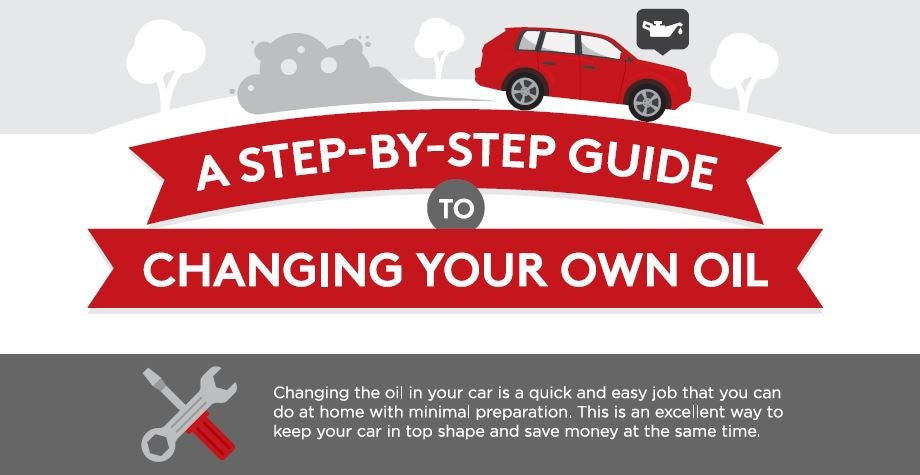
Oil Change Guide

A Quick Guide on How to Change Your Car's Oil

2020 Jeep Grand Cherokee White

What to Look for When Purchasing a Used Vehicle

Cars are some of the most significant purchases you'll make, so consider your choices carefully. Used cars are normally more affordable than new cars, but they typically don't come with warranties. Doing your due diligence before parting with your money will help you avoid the lemons. Look out for the following features on your used car search. All Accessories Working It might seem obvious, but you should check that everything in your used car works correctly. A test drive is the perfect opportunity to try everything out. Don't just test the accessories you need for safe driving. This is the time to ensure absolutely everything works as it should. Check the radio, and listen to make sure all speakers work. Test the air conditioner and heater to make sure they're cooling and heating effectively. Bring a CD to play if the car has a CD player. If the car has Bluetooth, try to connect your smartphone. It's also smart to test-drive your used vehicle with a friend who can check that the lights work. Ask whether your headlights, brake lights, and indicators all light up as expected. more Price Compared to Average Transaction Price When you're buying used, a car manufacturer's suggested retail price is of no use to you. That's because cars depreciate substantially once they leave the lot. They depreciate further as the years pass. There is, however, a used car equivalent called the average transaction price. Many reputable websites list average transaction prices for each make, model, and year. Knowing the average transaction price helps you spot great deals and negotiate more effectively. Tire Quality Tires connect your car to the road, ensuring a smooth and safe ride. As they degrade, they can impact the way your car handles and brakes. New cars come with brand-new tires, whereas used vehicles generally don't. Inspect each used car's tires, and use the penny test to check the tread. If the tires have insufficient tread, negotiate the price down to cover the cost of new ones. Unevenly worn tread can also indicate a larger problem, such as a worn suspension or uneven tire alignment. Free From Unusual Sounds and Smells While the things you see in your used car search matter, don't forget about your other senses. Unusual sounds and smells can alert you to potential problems. Pay attention to the way the car sounds during your test drive. Worn components or mechanical problems can cause clunking, grinding, squealing, and knocking sounds while you drive or brake. Does anything smell amiss when you drive? Smelling gas, burning oil, and smoke are all big red flags. If you ignore these problems, they're likely to cause more money in the long run. Keep searching for a car that doesn't make your senses tingle. Buying a used car can be a great way to secure a quality vehicle for a fraction of the cost of brand new. However, without a warranty for protection, you'll rely on your own observations to make the right choice. Visit us today at Tom O'Brien Chrysler Jeep Dodge Ram - Greenwood, and browse our great Used Car and Truck Inventory! Image via jeep.com

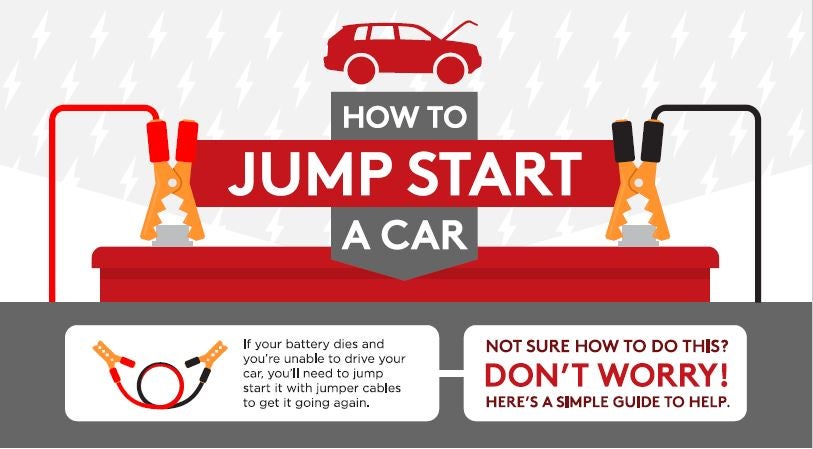
How To Jump Start A Car

How to Jump Start a Car Battery

Person Trying to Fix Broken Car

3 Car Noises You Should Never Ignore

Keeping your car running smoothly for a long time is usually not a matter of luck, but just proper maintenance. Indeed, just like their drivers, cars tend to require more attention to various symptoms once they get a bit older. These are some of the noises that may indicate that your vehicle needs a trip to the local shop. Brake Noises If you feel a clunk in the brake pedal as you are pressing it or hear any strange noise, you need to slow down and have your brake system checked as soon as possible. Many things may cause it, such as a loose wheel bearing, a seized brake caliper, or a malfunctioning steering component. No matter what the issue is, it needs to be taken care of right away because any fault with the car's braking or steering system is literally the last thing you want to happen while you're driving. Even if the car brakes like it's supposed to, you still need to have it checked right away. Not only will it ease your mind, but the sooner you have something fixed the bigger the odds of the problem being a minor one and therefore less expensive. more Engine Knocking Noises Hearing a knocking noise coming from the engine while you're driving can mean many different things, from bad fuel or low oil pressure to more serious faults such as a problem with the rod connecting the pistons to the crankshaft. The engine has many components operating at a high rate in extreme temperatures, so even the slightest misalignment is likely to cause excess friction and weird noises. As with most car-related issues, the sooner you fix it the more likely it is that it will be quick and inexpensive. Alternatively, ignoring the issue and continuing to drive the car will probably result in even more damage being done to the engine and its adjacent components, which may be more expensive to repair than the cost of the entire car. Knocking Noise When Going Over a Bump Driving over a bump is never a pleasant experience, but if your suspensions make more noise than they used to it's recommended that you visit your mechanic right away. The knocking noise is usually an early warning sign telling you that there's an issue with your suspension system. While this can go on for months with no other side effect other than the noise, you are constantly in danger of the suspension failing entirely and you losing control of the vehicle. Also, as with everything, fixing it quickly is likely to be less expensive. Cars are usually pretty well-made nowadays, with steering, braking, and electronic assist functions that work so well that they give us the illusion of them being infallible. However, it's well worth remembering that any vehicle is a complex system and, as time passes, some components are likely to fail. Aside from keeping you, your passengers, and everyone else on the road safe, having your car checked right away in case of a strange noise will likely make it easier and cheaper to fix. Image via pexels.com

Girl Washing Truck, Tom O'Brien, Greenwood, IN

3 Helpful Steps to Add to Your Truck's Routine to Maintain its Condition

You depend on your truck day in and day out to get the job done. Regular maintenance and care will keep your beloved truck in peak shape for as long as possible. Here are three easy things you should be doing to keep your truck in tip-top shape. If you haven't already, add these steps to your maintenance routine. Regular Upkeep and Maintenance It's important to have regularly scheduled maintenance at a mechanic's shop, as well as regularly changing the oil, rotating the tires, and more. Regular maintenance feels like a no-brainer, but between work, family, and the rest of life, it can sometimes accidentally fall by the wayside. Fortunately, most of these items are relatively inexpensive and straightforward, so an investment in upkeep now will yield rewards in the long run in terms of ensuring that your truck lasts as long as possible and stays in in good shape. Change your oil and oil filter on a regular basis. We recommend changing your oil every 7,500 miles or six months, whichever comes first. You can do this on your own rather than at a shop, but make sure to pick out the right oil for your needs. There are dozens of different kinds of oil on the market. Double-check your owner's manual to make sure you're getting an oil with the right viscosity index for your truck. In addition to a regular oil change, you'll also want to ensure that your tires are inflated properly, check your fluid levels, check your radiator, and rotate your tires to ensure even wear on a regular basis. Much of this you can do by yourself if you're so inclined. Nevertheless, it's still helpful to have a technician take a look at your truck on a regular basis. They can help spot issues early and prevent unnecessary wear. more Drive Smarter Bad driving habits can cause increased wear and tear on your truck. Things like aggressive tailgating, quick starts, and abrupt braking can affect the life of your truck's engine, sensors, hoses, and brakes. Whenever possible, instead of driving aggressively, sit back, relax, and maintain a reasonable distance from the vehicles around you on the road. City driving can be tough, especially with a crew cab or a long bed, but try to keep up with the general flow of traffic and maintain plenty of following distance. Your nerves and your truck will both thank you! Keep It Clean Cleaning your truck can feel like a luxury or merely a cosmetic issue, but cold weather, grime accumulated from the road, and more can damage the body of your truck over time. Giving it a wash on a regular basis, even if that just means running it through a hands-free car wash or hosing it down, is not a bad idea. Similarly, waxing on a fairly regular basis will keep a protective topcoat on your truck, which in turn protects the paint. To find your next truck, stop by and check out our wide selection at Tom O'Brien Chrysler Dodge Jeep Ram Dealer in Greenwood. Image via Flickr by Jill Carlson under use of CC BY 2.0

UConnect System in Greenwood, IN

Everything You Need to Know About Uconnect

Infotainment systems are a major component of vehicle designs these days. These systems allow drivers to control entertainment, comfort, and other features through a centralized interface. Because of that, car companies focused on advancing the designs of their infotainment systems to make them as useful and user-friendly as possible. Uconnect is the infotainment system that you can find in all new Chrysler, Jeep, and Dodge vehicles as well as a few other brands. Here is everything you need to know about Uconnect. Large Touch Screen Uconnect systems generally use larger touchscreens than other systems. These touch screens make it easy to read and reach the controls. Nothing is more distracting for drivers than to fiddle with controls while trying to drive. Uconnect makes good use of its larger touch screen by including larger icons and spacing buttons apart so that you don't accidentally hit the wrong control buttons. The Uconnect system is also easy to navigate. The larger screen helps you find the settings that you are looking for quickly and easily. In many cases, you can find it within one or two button pushes. That's great for when you need to change a setting or find a piece of information while driving. more SiriusXM Guardian™ SiriusXM provides a range of useful options that you can access through the Uconnect system. It provides access to remote vehicle start features so that don't have to get in your vehicle to turn it on. You can also plan your trip and send directions to the car from your phone. If you have ever been in a parking lot and cannot find your car, Uconnect can help you locate it with the vehicle finder program. You can also call for help or get help automatically with the automated assistance programs. Wi-Fi If you travel a lot while needing to stay connected to different systems, then the Uconnect system's Wi-Fi capabilities give you an advantage. You can use the infotainment system in your car as a mobile Wi-Fi hotspot so that you can stay connected and get things done while traveling. For business people, it can make traveling much easier. SiriusXM® Satellite Radio SiriusXM can also provide a lot of entertainment for your trips. SiriusXM Satellite Radio offers up to 150 channels of high-quality audio entertainment. The channels offer a diverse set of listening options for talk stations to every type of music available. The quality also exceeds that of the regular radio stations and has few issues with signal interference. You can get high-quality entertainment everywhere you go with SiriusXM Satellite Radio. Uconnect offers a great range of features that make driving much easier and more enjoyable. You can check out the Uconnect system at Chrysler, Jeep, and Dodge dealers. Huffines Chrysler Jeep Dodge is a great place to start looking for a new car with the Uconnect system. The chances are that you'll drive away with a car that you enjoy more than your old one because of the Uconnect system. Image via Dodge.com

Car Noises in Greenwood, IN

6 Vehicle Noises That Can Signal a Large Problem

Your Chrysler brand vehicle is engineered to make noise. However, not everything you hear is OK. Even some little sounds can signify big problems. If your car is thumping, banging, and squealing, it's trying to tell you something. Don't ignore these six vehicle noises or it could cost you big at the shop. Sounds When Braking Your brakes are intended to be noisy little machines. Pads are designed to squeak as they wear thin. This sound alerts you, the driver, that it's time for a fresh set. A scraping or grinding noise means your brake pads are shot and your rotors are dangerously scraping against metal. But if you hear — and almost feel — a distinct clunking noise, your brake calipers or other hardware might be damaged. more Something's Under the Hood When you notice a tapping or clicking sound coming from the engine compartment, don't worry. It's not a badger trying to dig its way out. The most obvious problem is that your car is low on oil. Use your car's dipstick to check oil levels, then get it changed if it's low. A hissing or sizzling sound that's coming from under the hood tells you something is leaking. The most likely culprit is coolant dripping onto a hot engine. Your engine's cooling system has tons of parts from hoses to fans, and the radiator, all of which can spring a leak that requires a trip to your dealership's service department. Popping in the Engine Popping in the engine compartment is caused by an array of issues and often comes with engine hesitation. Your Chrysler expert technician will check for a clogged fuel filter, worn spark plugs, ignition issues, or a damaged catalytic converter for the source of the problem. Any Sound When Cornering You shouldn't hear any weird noises when turning around corners. If you do, the first place to look is the steering linkage. It may need lubricating or worse; it's damaged and needs replacing. Weird Noises When Accelerating Does your car roar like an airplane when it takes off? The first thing to check is your exhaust, then check your transmission. Either system may be damaged and requires repair or maintenance. Perhaps it's not shifting to the next gear, or the clutch is slipping. Ignoring the noise won't make it magically disappear. Make an appointment to have it looked at with an expert service technician today. Low-Pitch Whirring Down Below Whining and whirring under the car is not a good sign and could have a number of causes. Does the noise change when you press the gas? Then your differential needs lubricant or your universal joints and wheel bearings may be worn out. To rule out transmission trouble, bring your car in for a once over. These six common vehicle noises can signal a problem. Never ignore a new sound, as issues often intensify when left alone. Follow your owner's manual instructions, then get your Chrysler brand vehicle looked at before the problem grows into an expensive repair. Image via Pixabay

Test Driving Tips in Greenwood, IN

4 Things to Remember When Test Driving a Car

Test driving a vehicle gives you a better sense of what you're looking for in a new car and helps you compare models firsthand rather than rely solely on the Internet. If you want to know whether a certain model is a good fit for you, check out these four ways you can plan for a successful test drive. Take Your Time Spending at least 30 minutes behind the wheel is usually long enough to help you decide whether a car is a good match. During this time, you'll want to drive it over different types of surfaces (potholes, bumps, railroad tracks) to test the suspension and, if possible, test other factors such as the headlights, steering and handling, acceleration, braking, and engine noise. You should also inspect the outside for scratches, dents, and other damages that could have been made by previous test drivers. Taking your time can also help you figure out whether the features inside a car are user-friendly or outright confusing. By hurrying through the process, though, you might miss out on minor hiccups that could become frustrating later. more Test Drive More Than a Few Vehicles The more vehicles you test drive, the easier it will be to find a car that best suits your preferences. If you only sample one car or a few models, you could lose your chance to find something better. In fact, about 55 percent of shoppers only test drive one vehicle. However, you don't want to miss out on the right car by choosing the first one that impresses you. Sports cars, for example, look polished and refined, but smooth transitions over road dips and divots aren't always their forte. However, you might find a Jeep, truck, or SUV that's better suited to the task. If you often take road trips, you'll need a car with good fuel efficiency — definitely not a gas guzzler. Test driving different cars back-to-back will help you distinguish the good ones from the ones you don't want. Only Test Drive Cars You Can Afford Shopping for a car that sits outside of your budget is a big no-no. Not only are you wasting the salesperson's time, but also raising your standards to a level that's unreachable for your current salary. You might convince yourself it's just for fun, but test driving a car you can't afford will only leave you feeling unsatisfied with anything less. So, save yourself the trouble and stick to your budget. Create and Follow Your Checklist Does the car you're test driving come with the audio or infotainment system you want? Does it have a rear backup camera or certain safety systems you like? Is it spacious enough for you and your loved ones? Can you easily fit a car seat in it? Ask yourself these questions and see whether the car you're test driving lives up to the expectations you've set for your ideal vehicle. Do plenty of online research, look for vehicle reviews, and don't settle for something with which you're not going to be happy. Knowing exactly what to look for during your test drive can make the whole process ten times easier. Call ahead for an appointment and keep these tips in mind to find your ideal match. Image via Dodge.com

Contact Us

Fill out this form below and we'll contact you shortly
*Required Fields